

Avoiding the "Bump in the Night": Why DrillSpot is Your Secret Weapon for Anti-Collision
Written by:
In the world of drilling, there’s one thing that haunts every engineer’s dreams: a collision event. It’s the ultimate industry nightmare; an event that can compromise two wells at once, trigger millions of dollars in emergency remediation, and turn a high-performing pad into a recovery site overnight.
But when you have the right tools to visualize collision risk and shrink your uncertainty, that nightmare disappears. DrillSpot is a powerful platform that helps you avoid collision events and steer optimal wells that put more money in your pocket.
The Math of Peace of Mind
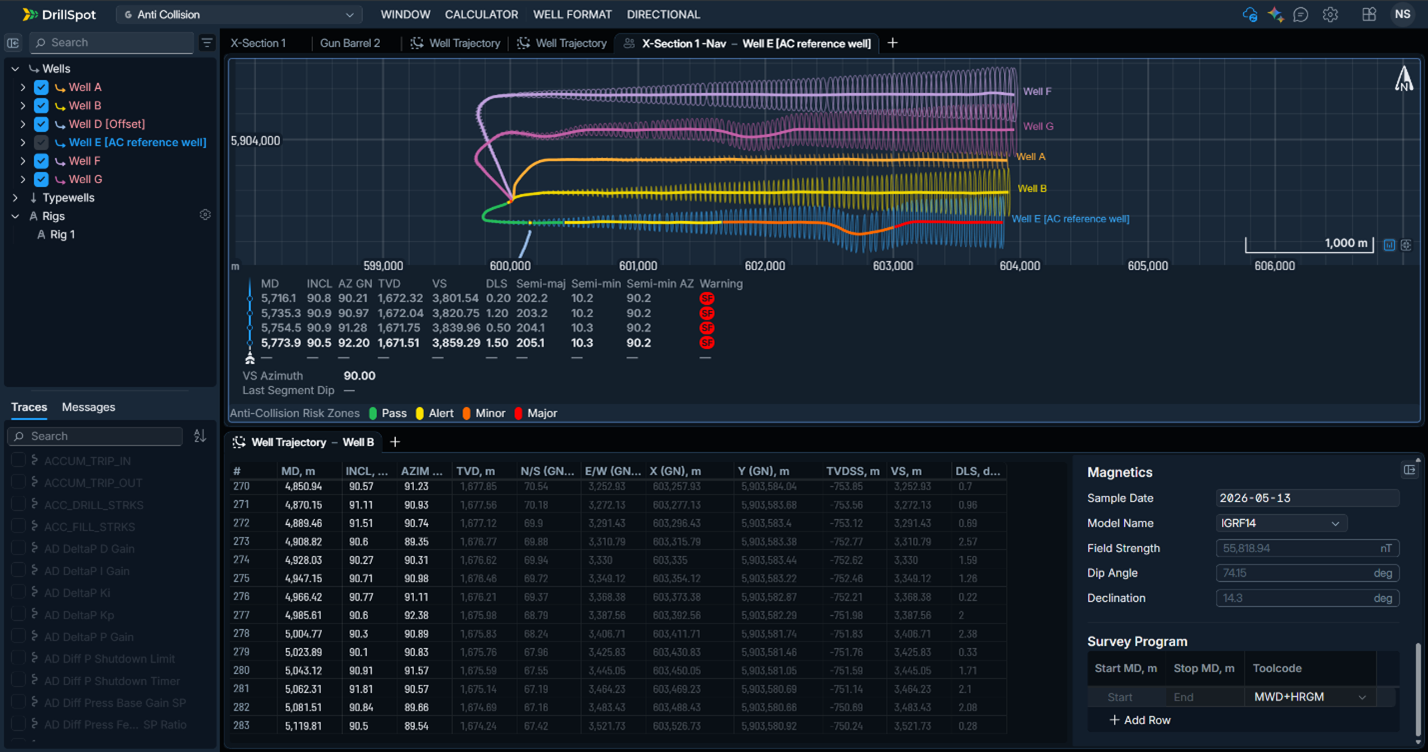
Everything in the subsurface is a game of probability. We don’t know exactly where the bit is; we know where it likely is within an "ellipse of uncertainty."
Think of it like a pancake-shaped bubble traveling with your drill bit. The bigger the bubble, the less room you have to play with. By using standardized Tool Codes and high-resolution Magnetics Models in DrillSpot, we can shrink that bubble.
Why does that matter?
- Tighter Spacing: Smaller ellipses mean you can tuck wells closer together without hitting "Major Alert" status.
- Better ROI: If you know your True Vertical Depth (TVD) with 97% certainty, you can stay in the "sweet spot" of the reservoir longer. More time in the pay zone = more production.
- Geophysical Accuracy: High-certainty surveys feed better data back into your reservoir models, making your next pad even more efficient.
The "Why" Behind the Error
To beat the error, you must first understand where it comes from. It’s not just about the tools; it’s about physics:
- The Stretch: Thousands of meters of steel pipe will stretch and expand due to heat. That affects your measured depth.
- The Magnetic Dance: Your azimuth (direction) is fighting against magnetic interference from the drill string itself and the earth’s shifting magnetic field.
- The Sag: Gravity is always trying to pull your tool out of alignment with the borehole.
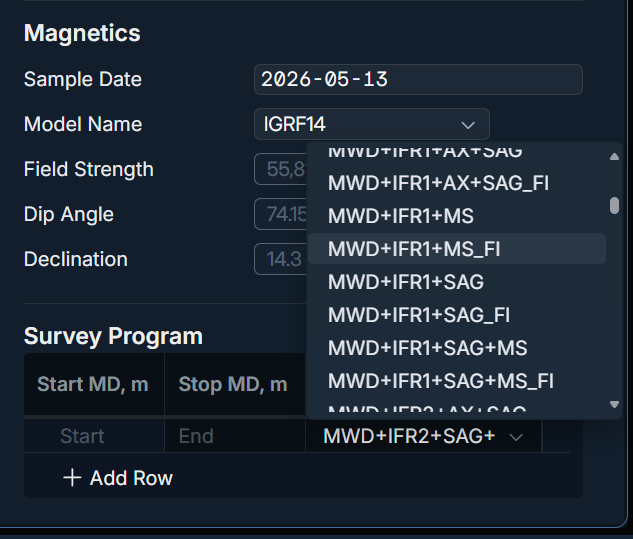
By applying "Sag Corrections" or using In-Field Referencing (IFR) for magnetics, you’re essentially giving your software a pair of prescription glasses. Suddenly, the blurry "maybe" becomes a sharp" definitely."
From Planning to Reality
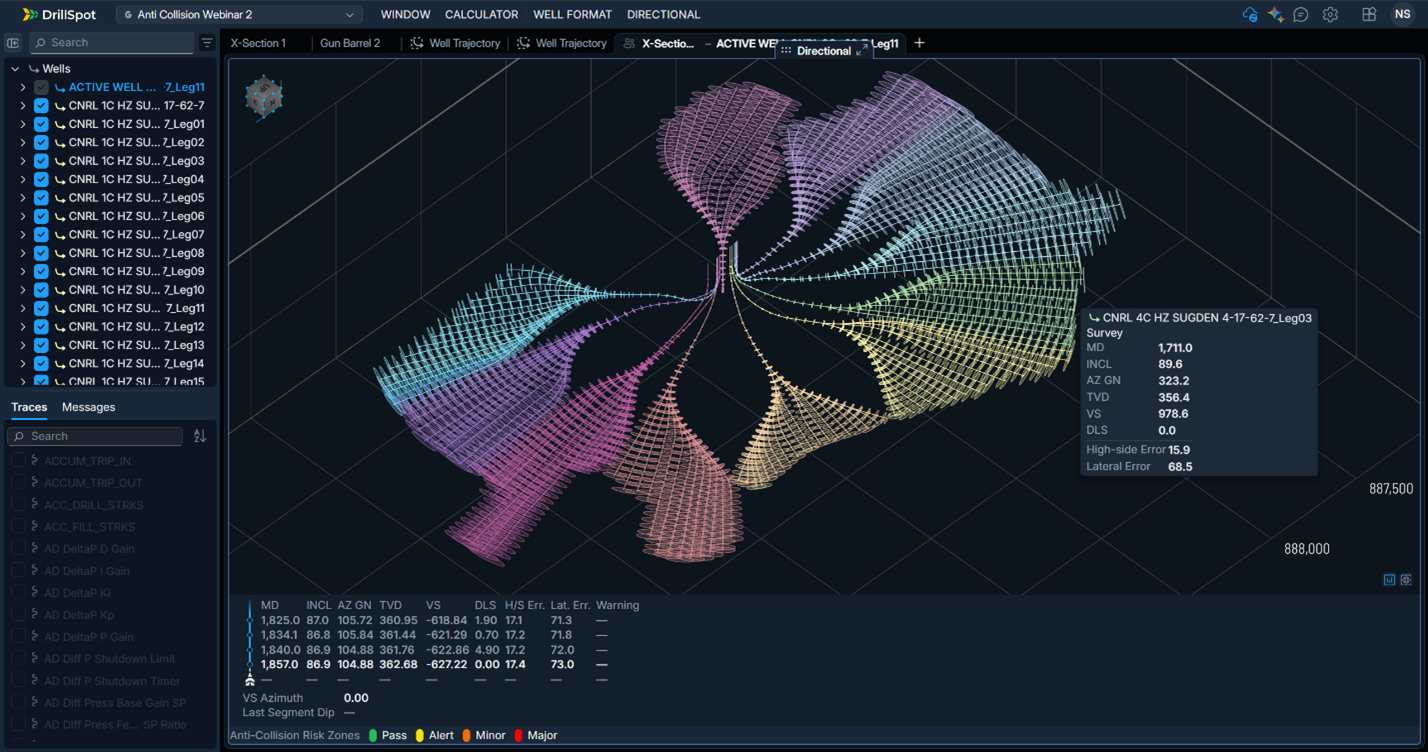
The most powerful workflow today involves bringing the "outside world" into your plan. Using tools like SDF (Solo Data Factory), you can pull in every offset well in the area.
Even if you don’t have the exact survey specs for a well drilled in the 90s, you can apply conservative "Standard Resolution" models to ensure you’re giving those old neighbors a wide enough berth.
Precision in the Sands: The SAGD Challenge
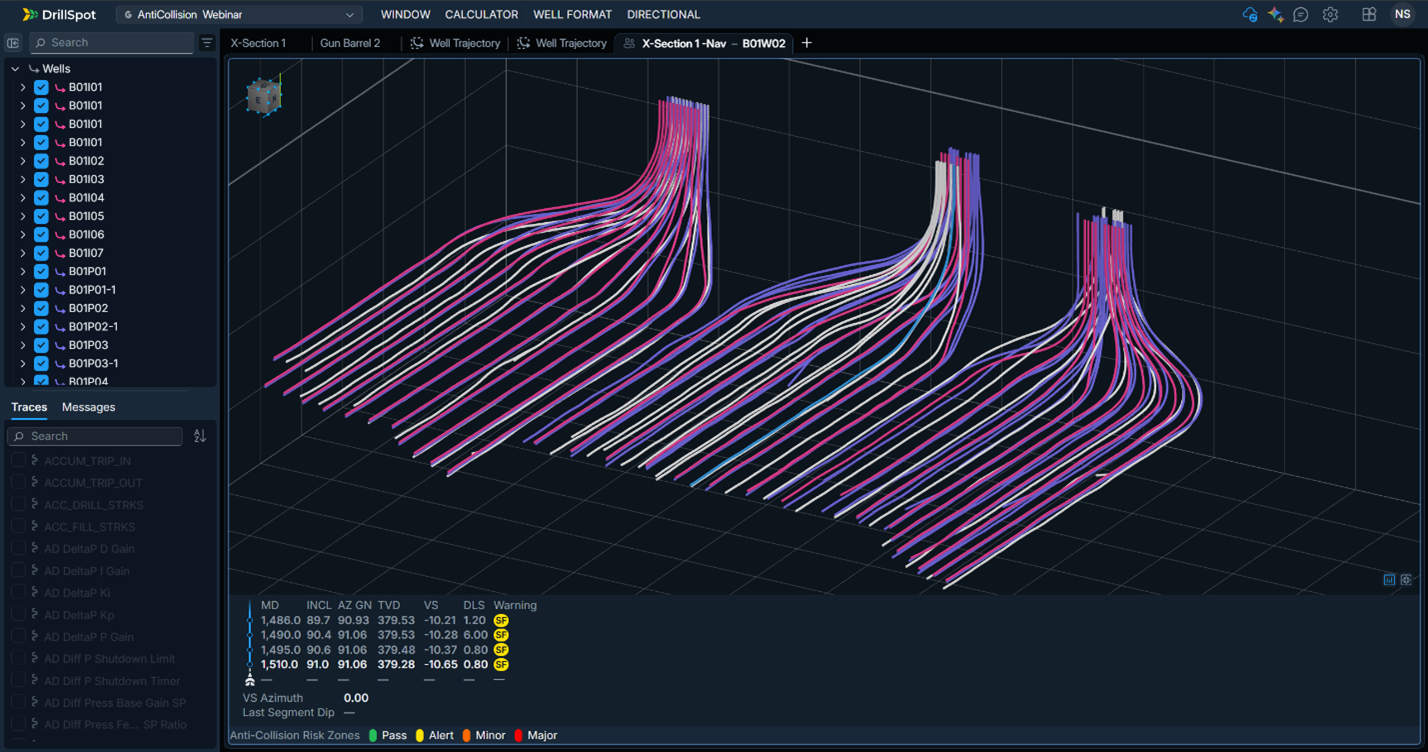
Nowhere is this precision more critical than in SAGD (Steam Assisted Gravity Drainage) operations. In these environments, we aren't just drilling one well; we’re drilling an injector and a producer that need to stay perfectly parallel, often just meters apart.
When you’re working with heavy oil, "close enough" isn't good enough. If your ellipse of uncertainty is too large, you risk missing the bottom of the reservoir or, worse, colliding with your twin well. By shrinking that uncertainty, we can place "infill wells" into tight spots to collect stranded oil that older, less accurate surveys might have missed. In SAGD, time is money, but placement is the jackpot.
The Future is Now
DrillSpot makes anti-collision interactive and intuitive, so you see exactly how the surrounding wells are positioned in a X-Section or 3D windows, all available in real-time as you drill ahead.
Drilling is part science, part art, and a whole lot of risk management. By mastering anti-collision in DrillSpot, you aren't just avoiding accidents, you’re engineering success. What’s a better way to sleep at night?
Want to learn more?
Contact us for a live DrillSpot demo!


